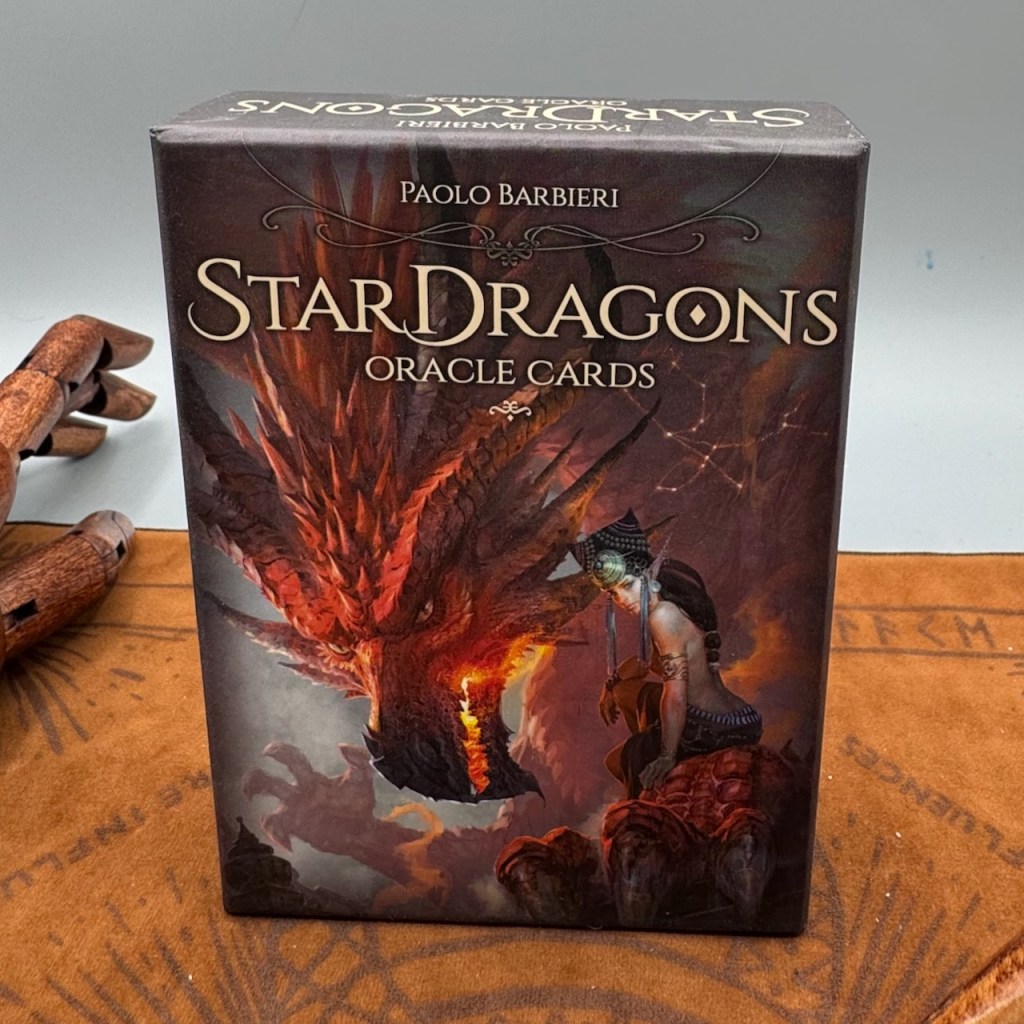
There is a specific kind of magic that lived only in the airbrushes of the 1970s and 80s. It’s the smell of old paperback fantasy novels, the glow of a CRT television playing He-Man, and the muscular, unapologetic grit of Frank Frazetta’s oils. When I hold a deck by Paolo Barbieri, I’m not just holding cards; I’m holding a portal back to that era of high-octane myth.
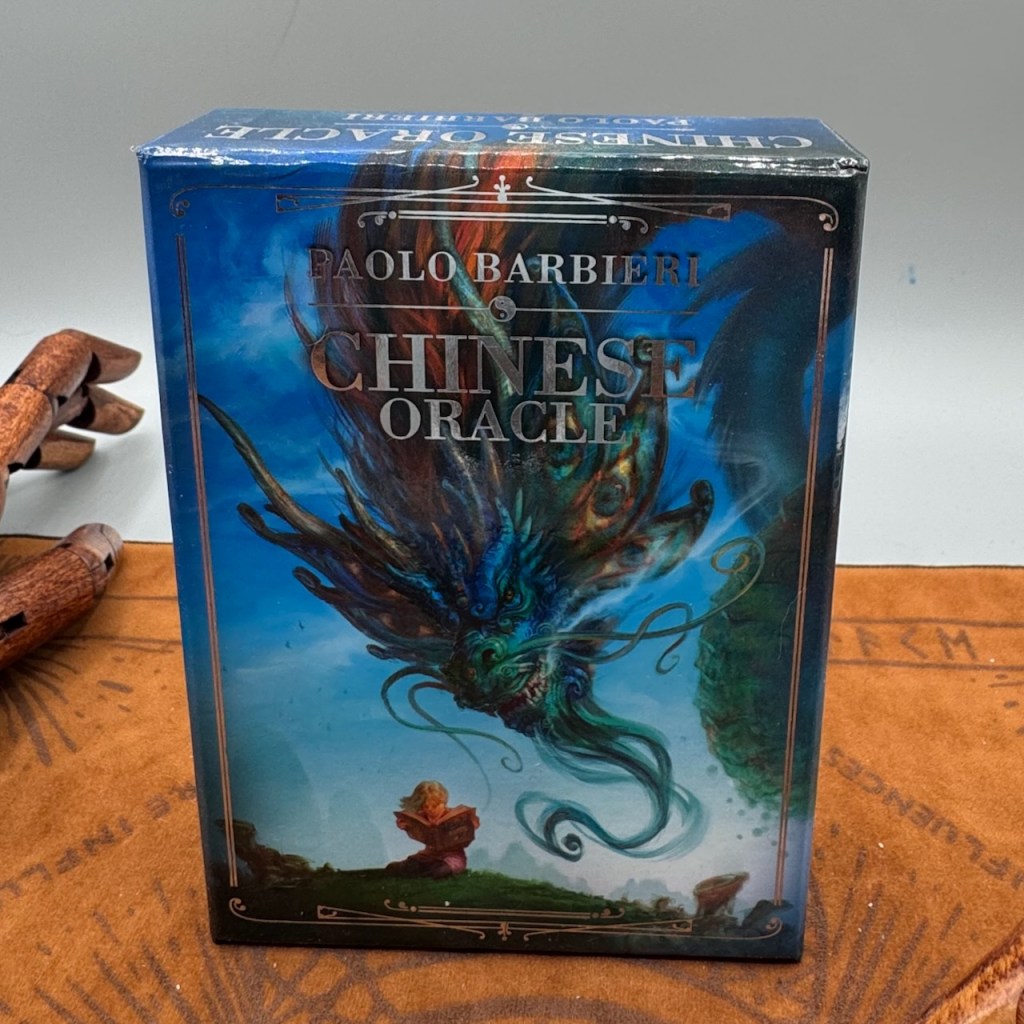
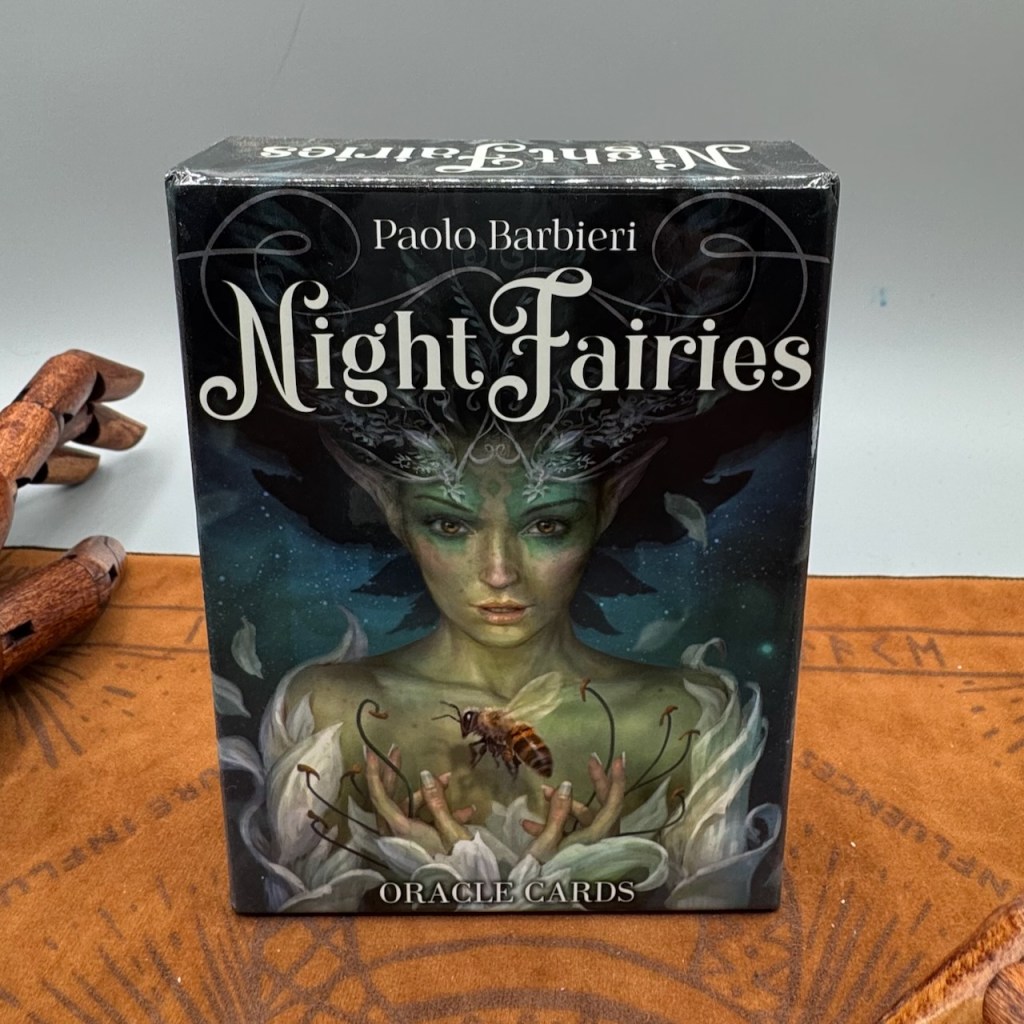
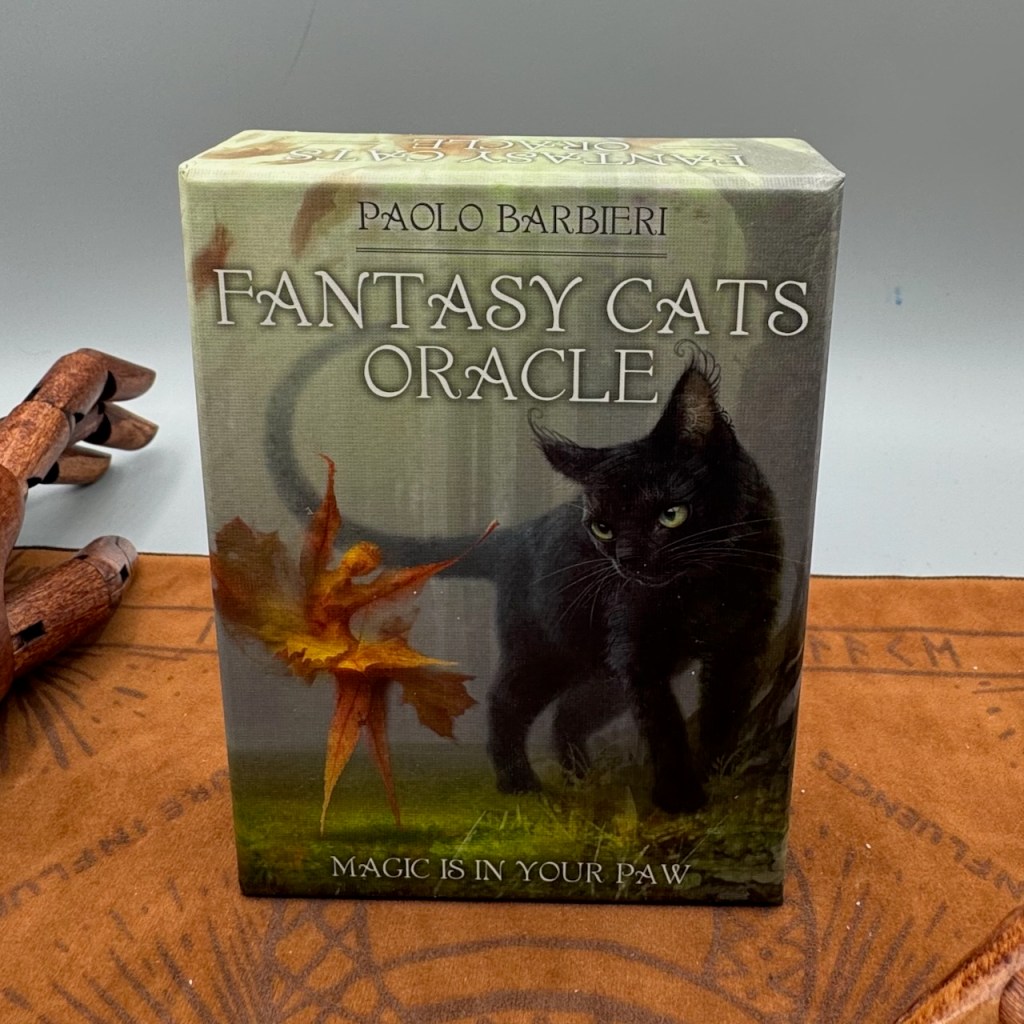
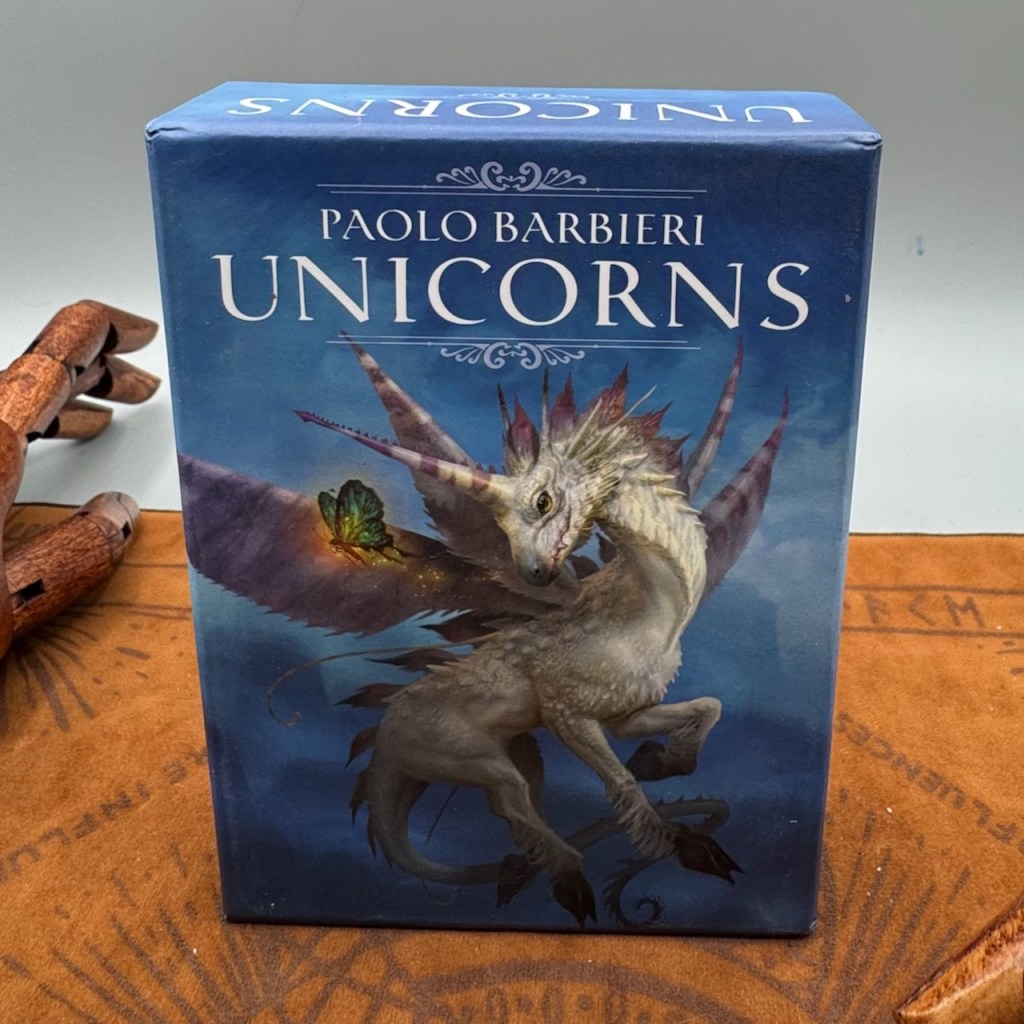
My collection of Barbieri’s work has become a bit of an obsession. From the delicate, dangerous wings of his Night Fairies to the feline majesty of his Fantasy Cats, the sleek lines of the Chinese Oracle, and the surrealist subversion of Not a Unicorn, his world-building is unparalleled. But today, we’re looking at the heavy hitters. We’re looking at the Dragons.
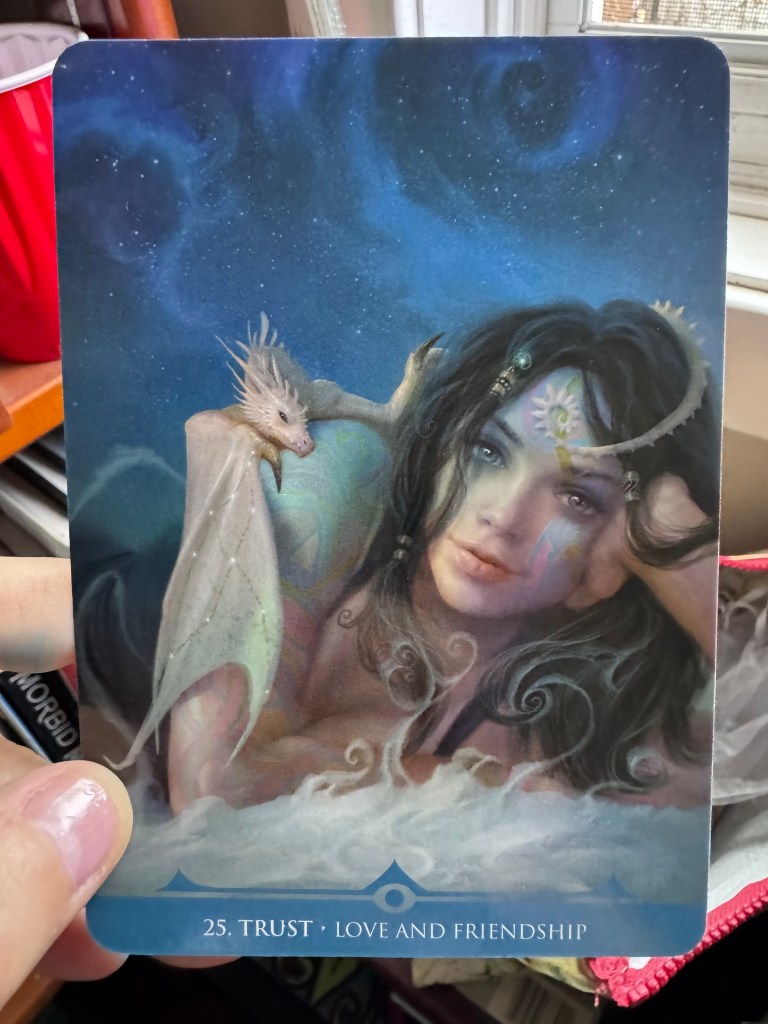
Card Profile: No. 25 — Trust
Keywords: Love, Friendship, Mutual Protection
In the Barbieri mythos, Trust isn’t a passive emotion—it’s a pact. This card is the visual anchor for the entire deck’s heart. While other cards deal with cosmic war and celestial mechanics, No. 25 brings us back to the “found family” tropes of 80s space operas.
The Definition: > Trust is the silent bridge between two souls. It represents a state of total vulnerability where defenses are lowered because a sacred bond has been formed. Whether in a romance or a deep friendship, this card signals a season of safety. You are permitted to rest; your guardian is awake.
Why it resonates in the Collection
When you look at this card alongside Barbieri’s Night Fairies or the Fantasy Cats, you see a recurring theme: the relationship between the human spirit and the mystical beast.
- In the Chinese Oracle, dragons are often distant emperors.
- In Not a Unicorn, they are surreal puzzles.
- But here, in the StarDragons, they are partners.
The young woman resting on her cloud, with that white dragon spiraling its tail upon her brow, is the ultimate image of Friendship. It tells us that even among the stars, we aren’t meant to wander alone. We are meant to find the creatures—and the people—who make the void feel like home.
 Deck Collecting